

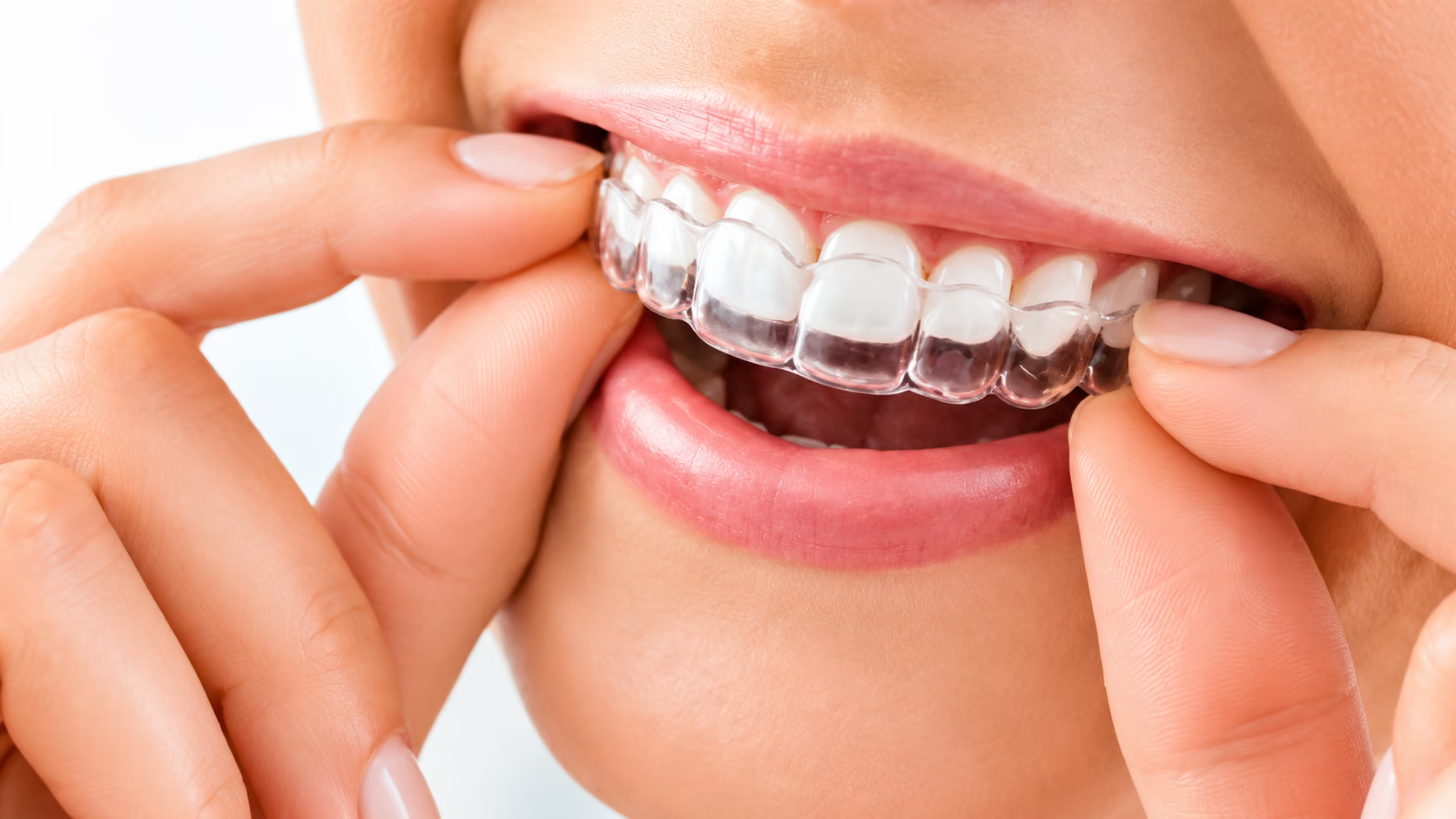
Invisalign® clear aligners gradually move your teeth by applying controlled pressure to specific areas. Instead of wearing one aligner throughout the entire treatment, patients typically progress through a series of custom-made trays.
So, how often should you change Invisalign aligners?
For many patients, a new set of aligners is changed approximately every one to two weeks. However, your exact schedule depends on your treatment plan and the instructions provided by your dental professional. Changing aligners too early or wearing them longer than recommended can affect your treatment progress.
If you're considering Invisalign in Duluth, understanding how aligner changes work can help you get the most from your treatment.
Why Do Invisalign Aligners Need to Be Changed?
Each Invisalign aligner is designed to make a small adjustment to your teeth. Once you have worn an aligner for the prescribed amount of time, the next aligner in your series is designed to continue the planned movement.
The trays work together as a sequence. Moving to the next aligner at the right time helps keep your treatment progressing according to your customized plan.
Your dentist may recommend a specific wear and change schedule based on your teeth, the complexity of your case, and how your teeth are responding.
How Often Should You Change Your Aligners?
Many Invisalign treatment plans involve changing aligners every one to two weeks. Some patients may have a different schedule based on their individual treatment plan.
Rather than changing your trays according to a general timeline you find online, follow the schedule provided by your dentist.
Wearing each aligner for the recommended amount of time gives your teeth an opportunity to make the intended movement before progressing to the next stage.
What Happens If You Change Aligners Too Soon?
It may be tempting to move ahead to the next tray if your current aligner feels comfortable or appears to fit loosely. However, comfort does not necessarily mean your teeth have completed the planned movement.
Changing aligners too early may prevent your teeth from following the intended sequence and could cause the next aligner to fit improperly.
If you're unsure whether it's time to move to your next tray, contact your dental provider rather than changing the schedule yourself.
What If You Wear an Aligner Too Long?
Occasionally, patients may forget to switch trays or may need to remain in an aligner longer than planned.
Wearing an aligner longer than recommended can slow your overall progress, particularly if you're not following your prescribed wear schedule. If you have missed several days or aren't sure which tray you should be wearing, ask your dentist for guidance.
Don't automatically skip ahead to a later aligner without professional advice.
How Long Should You Wear Invisalign Each Day?
Invisalign aligners are generally designed to be worn for most of the day and night, except when eating, drinking anything other than water, and completing your oral hygiene routine.
Your exact wear instructions may vary. Consistent wear is important because aligners can only move your teeth while they are being worn. Frequently removing them for extended periods can interfere with your treatment progress.
How Should You Clean Your Aligners?
Keeping your aligners clean can help maintain their appearance and freshness.
A few simple habits include:
- Rinse your aligners when removing them.
- Clean them regularly according to your dentist's instructions.
- Brush and floss your teeth before putting your aligners back in when possible.
- Avoid drinking sugary or colored beverages while wearing your aligners.
- Store aligners safely in their case when they're not in your mouth.
- Avoid exposing them to excessive heat, which can affect their shape.
Good aligner care should go hand in hand with good oral hygiene.
What If Your Aligner Is Lost or Damaged?
If you lose or damage an aligner, don't simply move to a much later tray without contacting your dental provider.
Depending on your situation, your dentist may recommend returning to your previous aligner, moving forward, or obtaining a replacement. The appropriate solution depends on your treatment plan.
Get Invisalign Guidance in Duluth
Every Invisalign treatment is customized, so the correct aligner-change schedule can vary from patient to patient. Following your prescribed schedule, wearing your aligners consistently, and keeping your appointments can help your treatment stay on track.
If you're considering Invisalign in Duluth or already have questions about your aligner schedule, Duluth Dental Care can help you understand your treatment plan.
Looking for a dentist near you? Schedule a consultation to discuss whether clear aligner treatment may be right for your smile.


